Syeda Rizwana Hasan, advisor to Bangladesh’s Ministry of Environment, Forest and Climate Change and Ministry of Water Resources, said climate adaptation should not be limited to short-term or phased development projects but should be transformed into long-term transformational initiatives integrated with agriculture, water, biodiversity and coastal management.

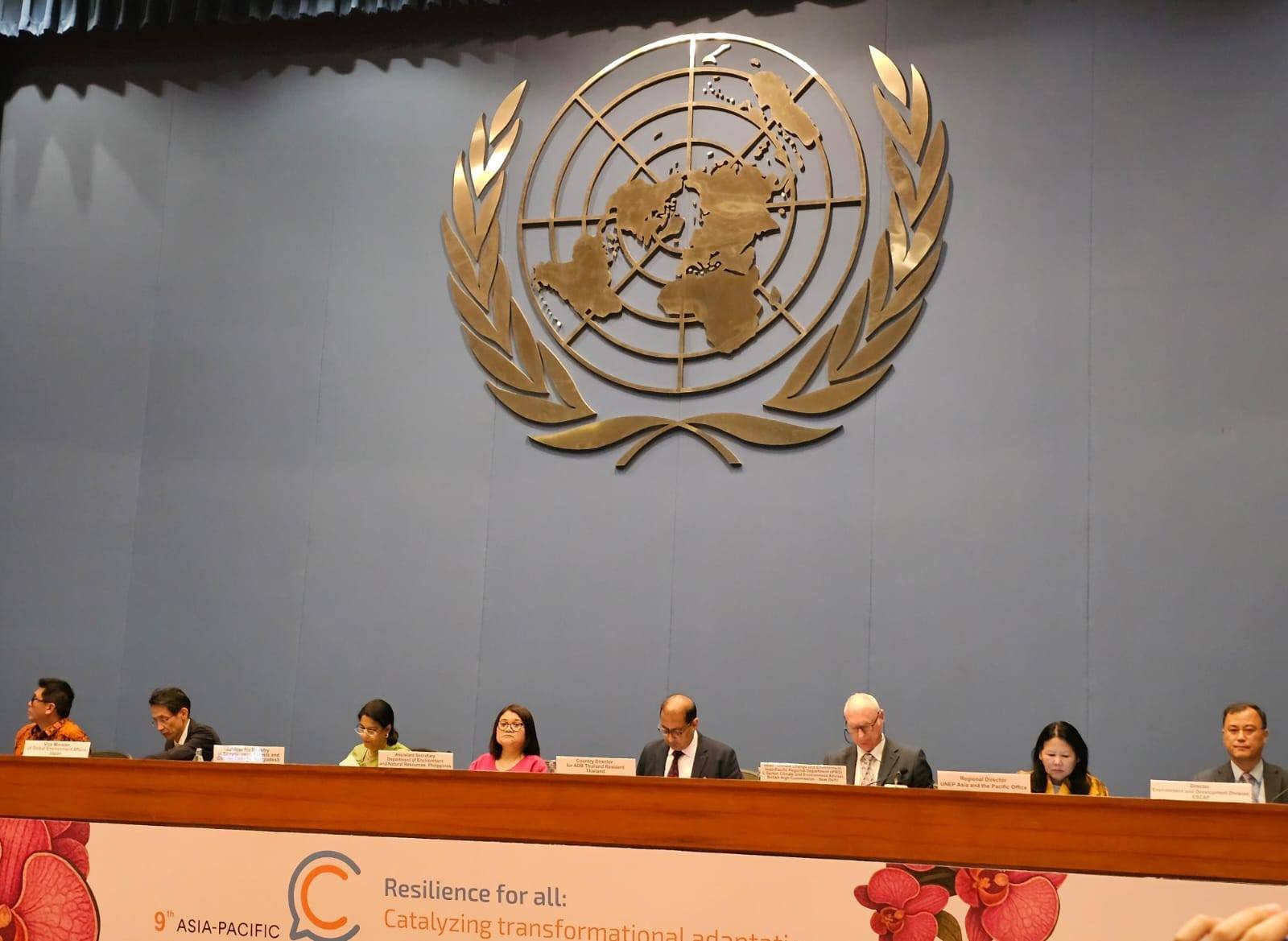
She made the call at the ministerial roundtable meeting of the 9th Asia-Pacific Climate Change Adaptation Forum held in Bangkok on Wednesday (October 1, 2025). The main theme of this year’s forum was “Resilience for All: Catalyzing Transformational Adaptation”.
Rizwana Hasan said, “Bangladesh has proven that adaptation is possible even in extreme vulnerability. But to take this adaptation to a transformational level, the global community must increase financial support, technology transfer and international cooperation.”

She added that climate-resilient technologies, nature-based solutions and widespread use of renewable energy can ensure sustainable resilience.
Highlighting Bangladesh’s bold and innovative actions over the past few decades, she said the country has not only saved lives but also conserved land, water, biodiversity and coastal ecosystems. She referred to the Bangladesh Climate Change Strategy and Action Plan and the National Adaptation Plan (NAP), which identified 113 interventions across 8 thematic areas, with an estimated cost of about US$230 billion.
She recalled that the Bangladesh Climate Change Trust Fund (BCCTF) is the world’s first indigenously created adaptation fund, which has already financed over 100 climate projects.
Praising Bangladesh’s Cyclone Preparedness Programme (CPP) in disaster preparedness, Rizwana said that 78,000 volunteers are currently working—half of whom are women. 4,291 cyclone shelters and 523 flood shelters have been built in the country. Early warning systems have also been strengthened through special boats for people with disabilities and community radios.
Bangladesh has developed drought, salinity and flood tolerant rice to ensure food security. Floating agriculture, ecosystem restoration in haor and Barindra regions, and co-management of Tanguar Haor are playing an important role in biodiversity conservation. Coastal embankments and freshwater management have also been helpful in preventing salinity.
Rizwana Hasan said that the main foundation of Bangladesh’s adaptation success is strong policy and good governance, people-based leadership and innovative financing structures. Article 18(a) of the Constitution provides a legal basis for environmental protection.
She also said that adaptation activities will be more dynamic if financing is increased through the Climate Fiscal Framework, Bangladesh Climate Change Trust Fund, and international sources such as GEF, GCF, LDCF and Adaptation Fund.
Also speaking at the event were Kentaro Doi, Japan’s Vice Minister for Global Environment Affairs; John Warburton, Head of Climate and Environment, Indo-Pacific Regional Department, British High Commission; Dechen Tsering, Regional Director, UNEP Asia-Pacific Office; Noralyn Uy, Assistant Secretary, Department of Environment and Natural Resources, Philippines; and Anuj Mehta, Country Director, ADB Thailand Resident Mission.
Source: Ministry of Environment, Forest and Climate Change, Bangladesh.