Business Desk:
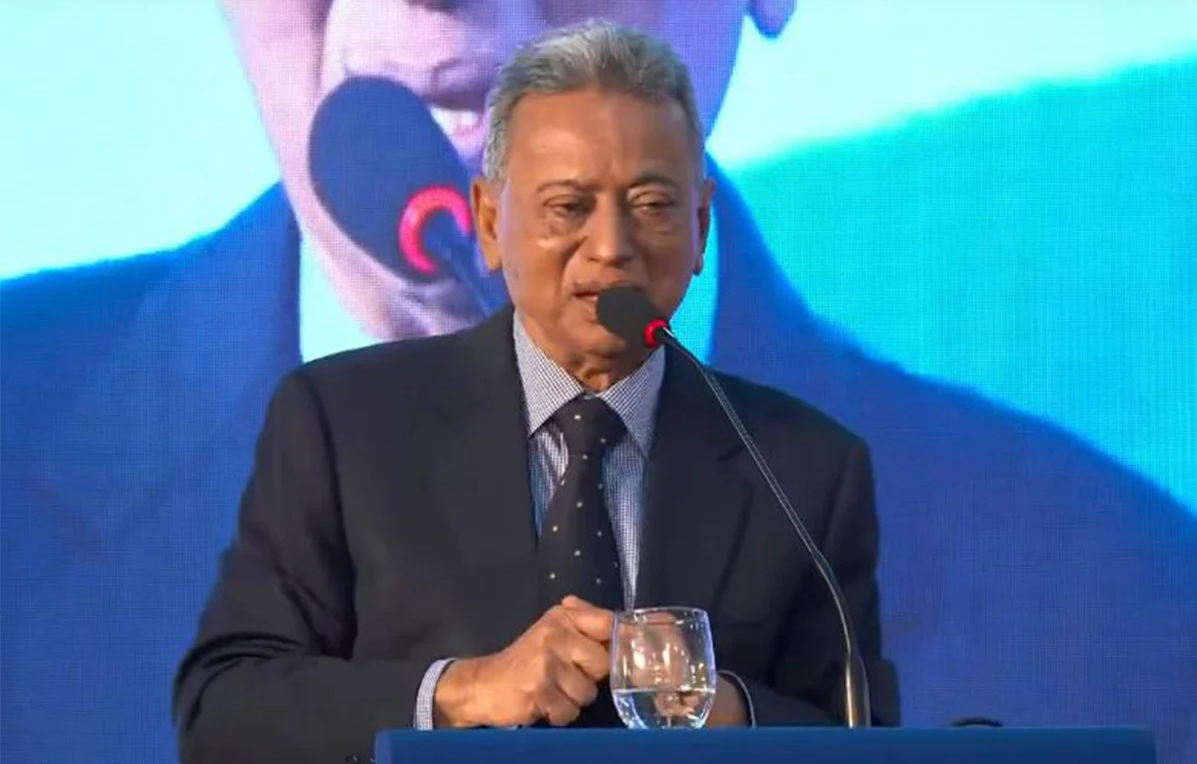
Bangladesh’s packaging industry has the potential to achieve export earnings of up to $50 billion if appropriate policy support is ensured, said Amir Khasru Mahmud Chowdhury, BNP Standing Committee member and former minister of commerce.
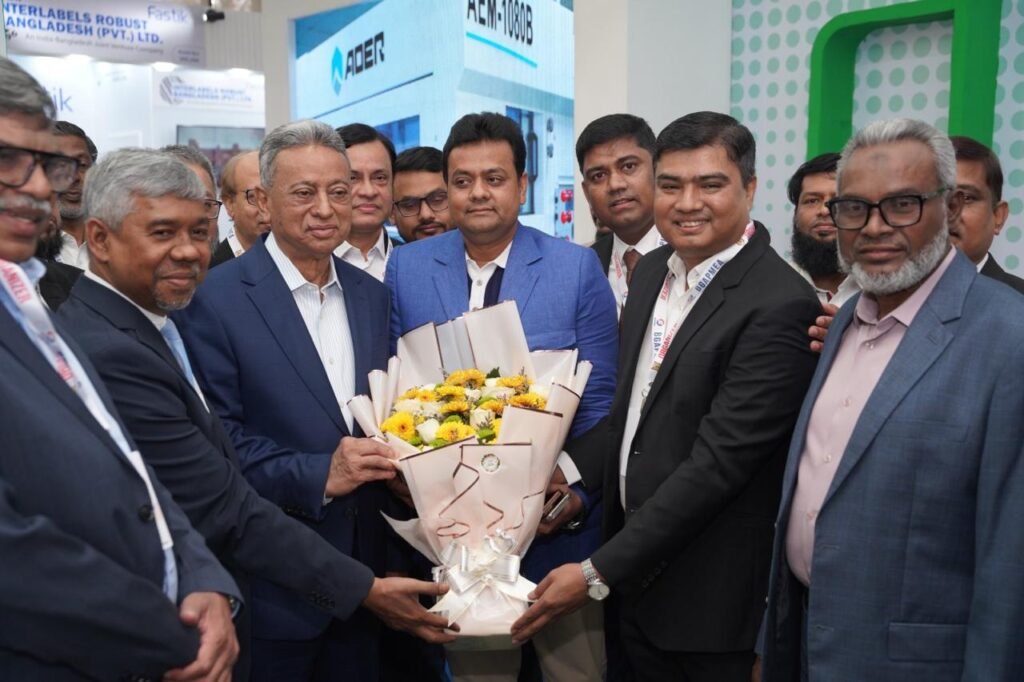
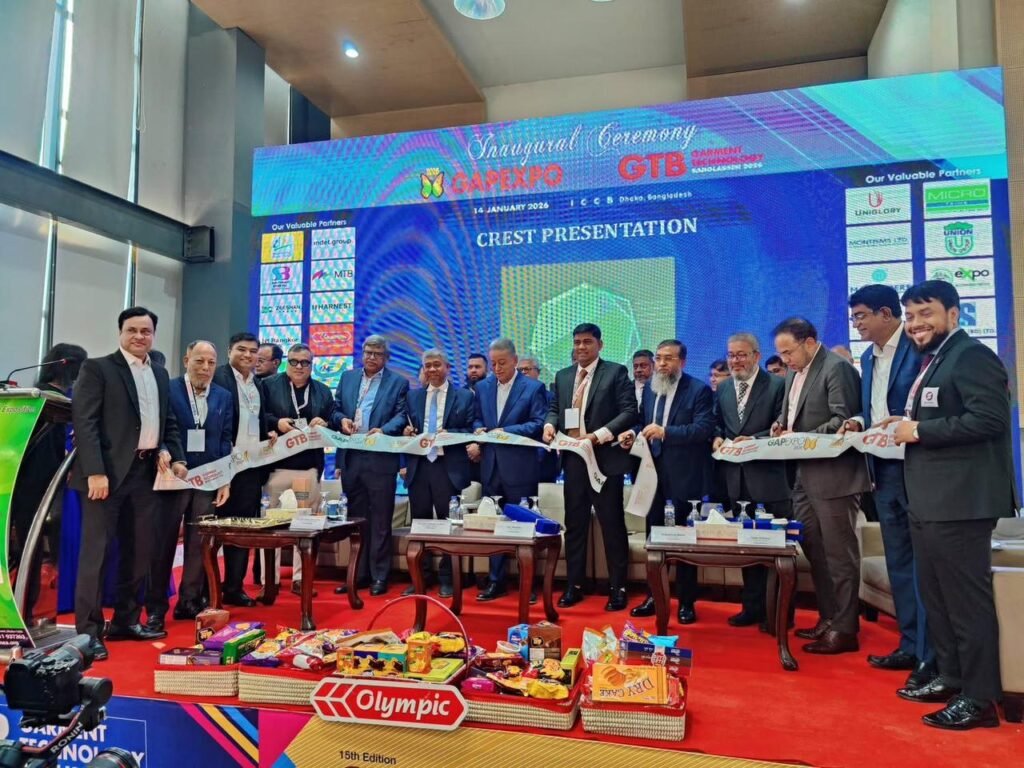
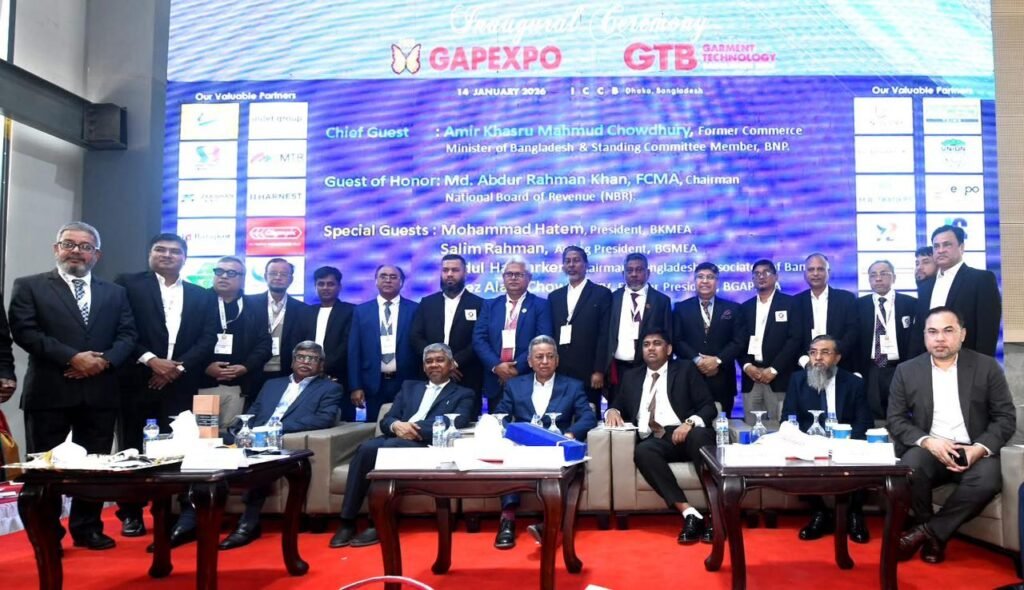
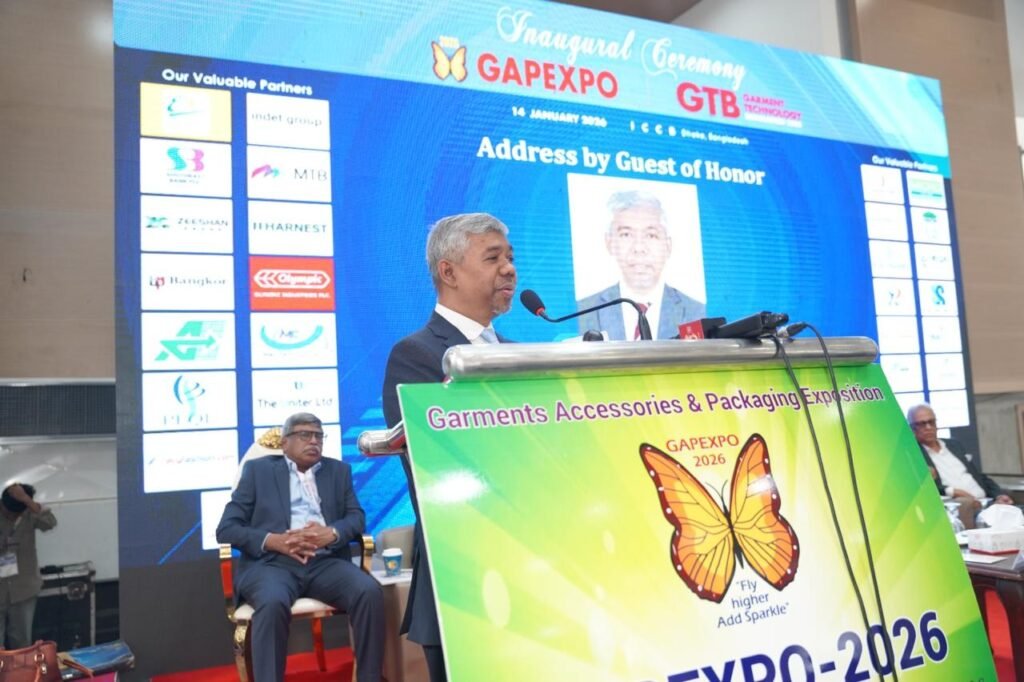
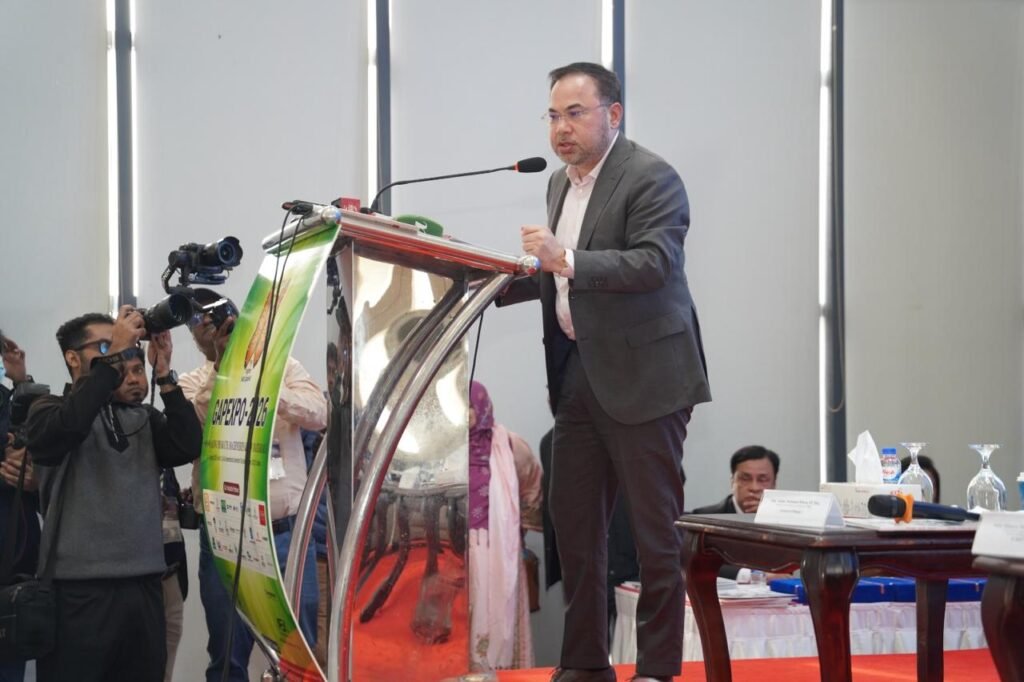
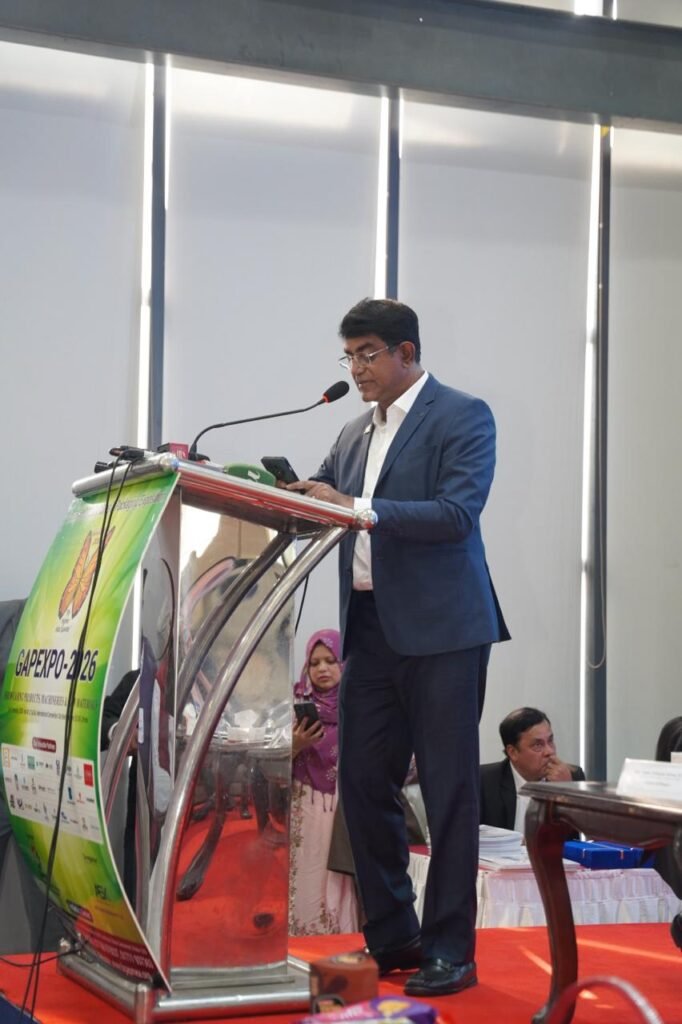
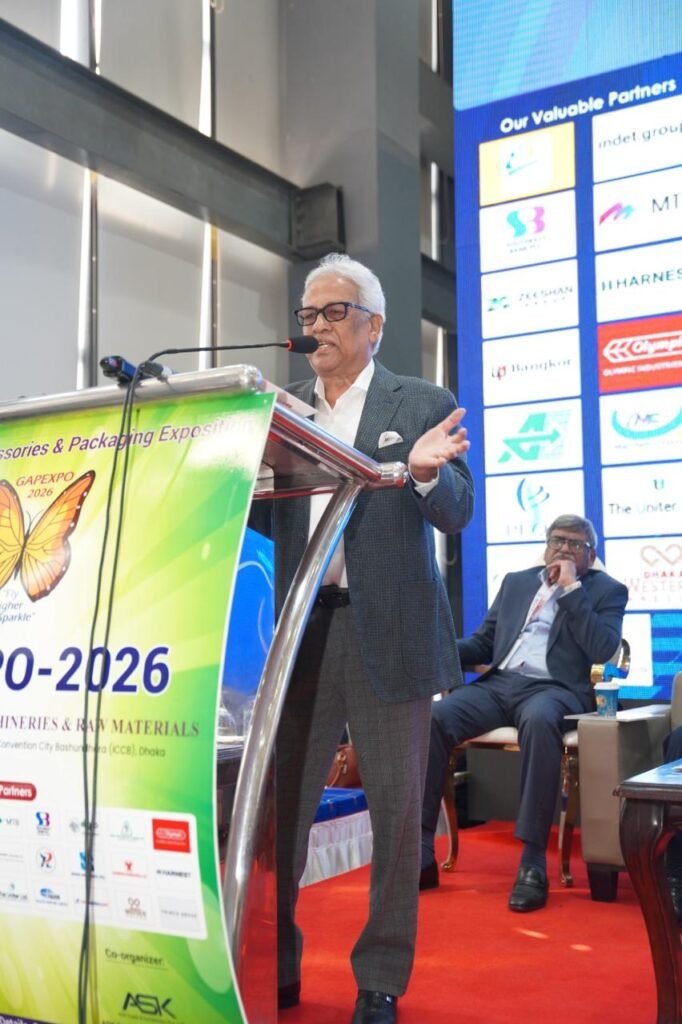
Speaking at the inauguration of GTB 2026 (Garment Technology Bangladesh) on Wednesday (January 15, 2026) as the chief guest, Amir Khasru said that the packaging sector could replicate the success of the apparel industry if it receives focused policy attention and a supportive business environment.
“If Bangladesh’s garment industry can reach $50 billion in exports, there is no reason why the packaging industry cannot achieve the same milestone,” he said. “With the right policies and incentives, the sector has enormous potential.”
He added that if the BNP forms the next government, necessary policy reforms would be undertaken to support the growth of the packaging and accessories sector.
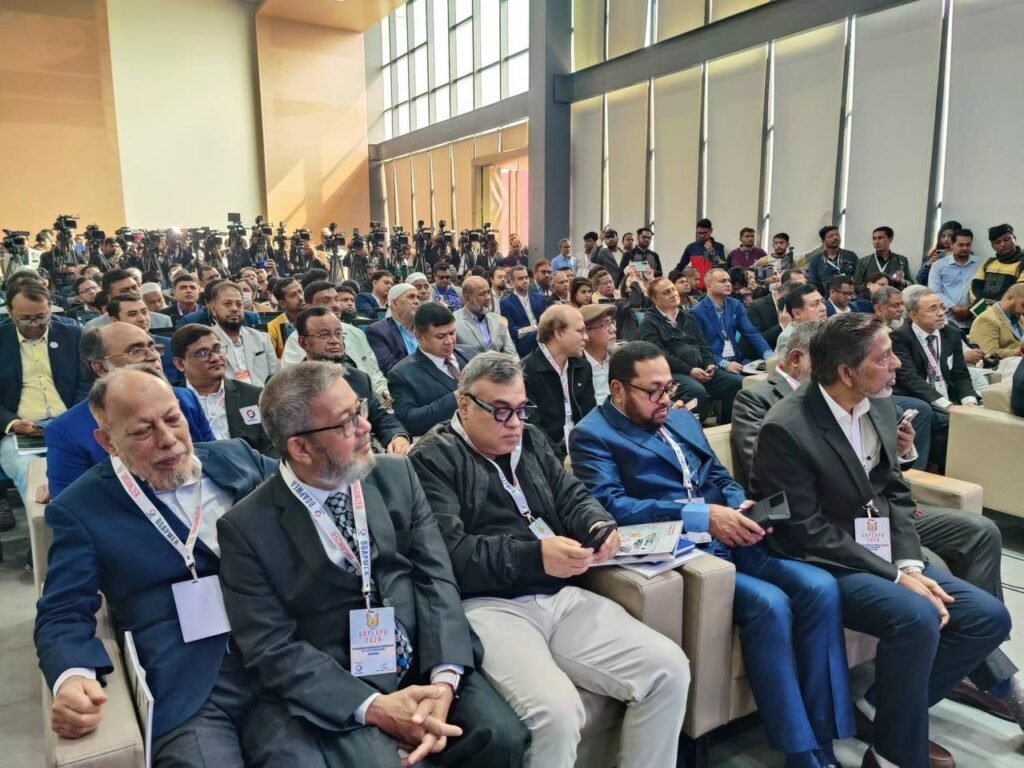
The four-day GTB 2026, the country’s largest garment technology exhibition, is jointly organised by ASK Trade & Exhibitions Pvt Ltd and the Bangladesh Garments Accessories & Packaging Manufacturers & Exporters Association (BGAPMEA). The exhibition commenced at the Expo Village of International Convention City Bashundhara (ICCB).
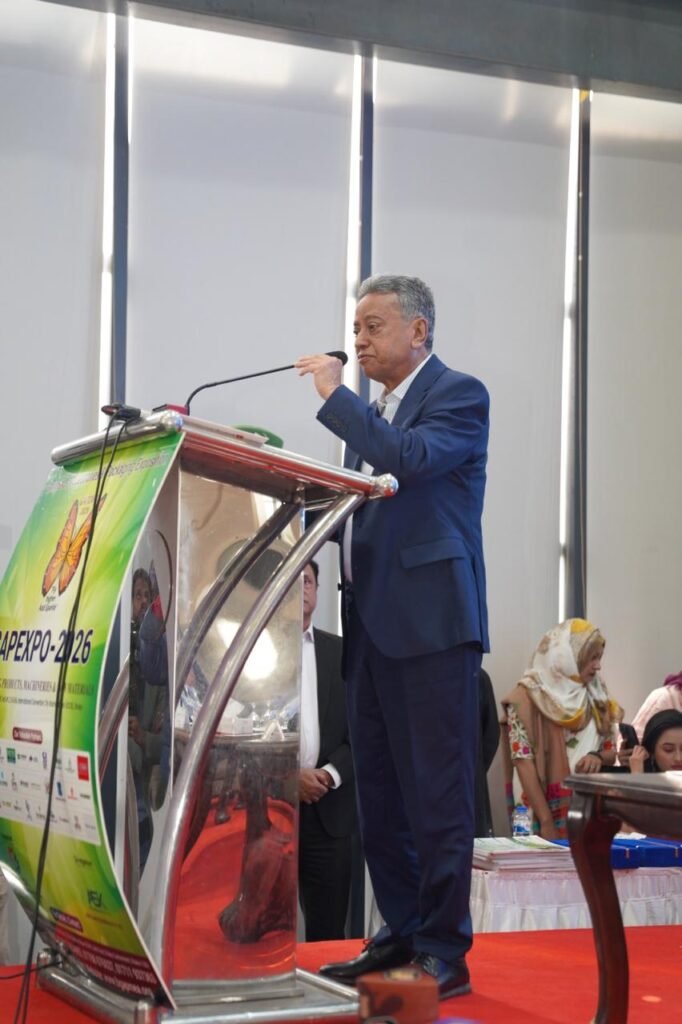
Highlighting challenges faced by businesses, Amir Khasru said Bangladesh remains an over-regulated country, making entrepreneurship difficult. “At the same time, politically patronised business oligarchs have emerged. We want to ensure a level playing field for all businesses,” he noted.
He also pointed out that packaging has become a critical factor in consumer decision-making globally. “Packaging often attracts more attention than the product itself, making it a highly promising sector for Bangladesh,” he added.
Amir Khasru stressed that sustaining growth in the apparel and allied industries would require moving beyond labour-intensive production. “Technological advancement, smart manufacturing, environmental sustainability and workforce skill development must be prioritised through joint efforts by the government and the private sector,” he said.
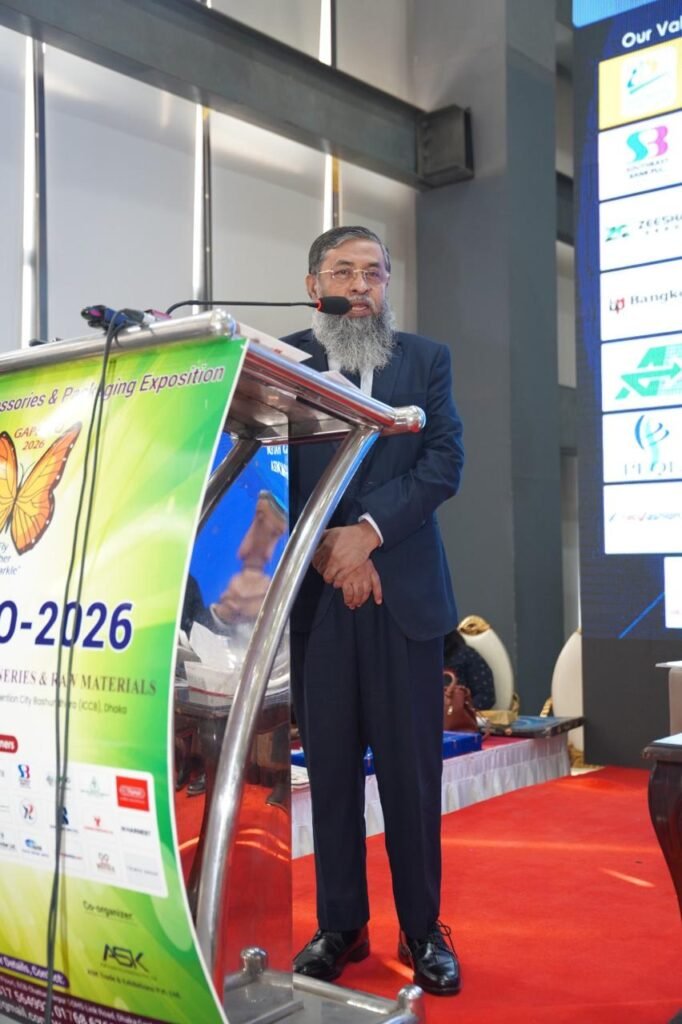
Addressing the event as a distinguished guest, BKMEA President Mohammad Hatem said the country’s accessories industry has sufficient capacity to meet the needs of local apparel manufacturers. He urged the government to restrict imports of accessories that are already produced locally in adequate quantity and quality.
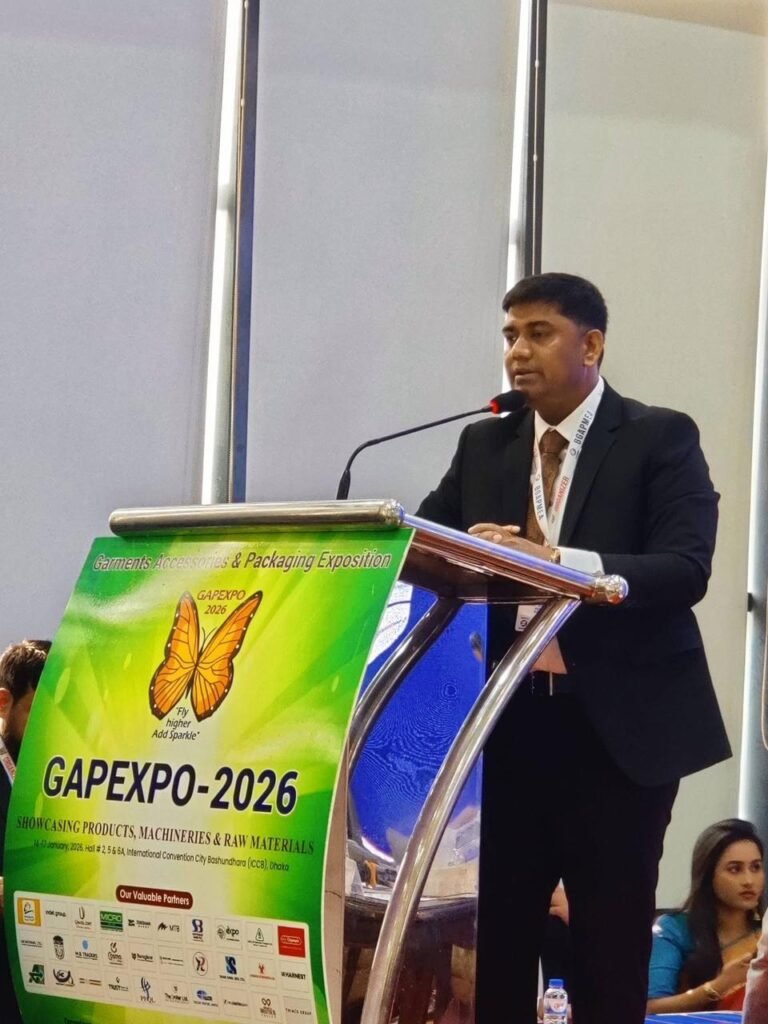
BGAPMEA President Md Shahriar said Bangladesh is failing to capitalise on the global packaging market, estimated at around $700 billion, due to the absence of export incentives and supportive policies.
He said the sector currently records nearly $1.6 billion in direct exports and over $7.8 billion in deemed exports, but growth remains constrained by regulatory and policy barriers.
“Unlike competitor countries such as China, Vietnam, Cambodia and Indonesia, which offer export incentives ranging from 4.0 per cent to 17 per cent, Bangladesh provides no cash incentive for direct exports of packaging products,” he said, adding that the sector has never been brought under any export incentive scheme.
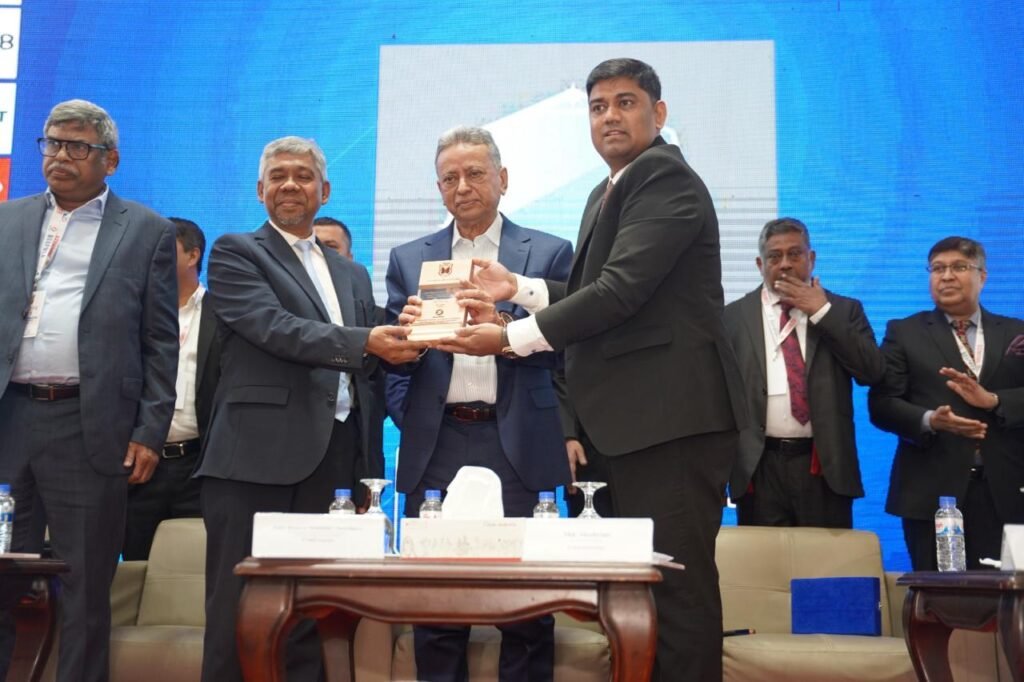
Special guests at the event included NBR Chairman Md Abdur Rahman Khan, FCMA, BGMEA Acting President Salim Rahman, and Bangladesh Association of Banks (BAB) Chairman Abdul Hai Sarker.
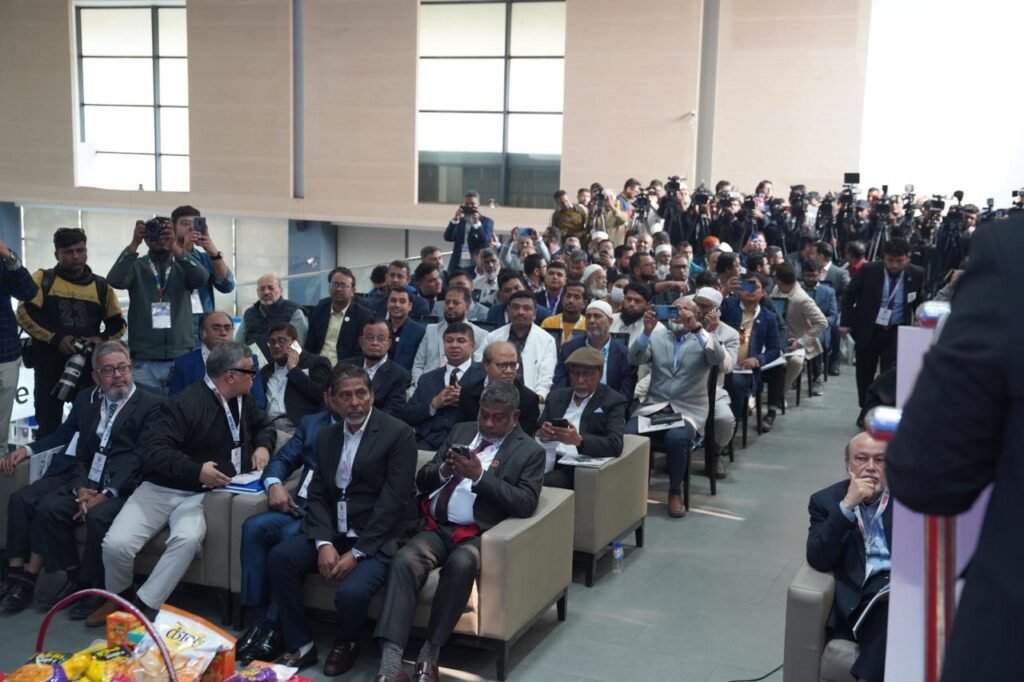
GTB 2026 is showcasing state-of-the-art garment machinery, accessories, packaging solutions, yarn and fabrics, offering local manufacturers access to advanced global technologies under one roof. Two other exhibitions—GAPExpo 2026 and Bangladesh Yarn Fabrics & Accessories 2026—are being held concurrently.
More than 450 brands from over 15 countries are participating across 1,500 booths, making it the largest garment technology event in Bangladesh.
Tipu Sultan Bhuiyan, Managing Director of ASK Trade & Exhibitions Pvt Ltd, said technological transformation is no longer optional for the garment industry. “GTB provides a unique platform for entrepreneurs to explore global innovations and source technologies that enhance efficiency and sustainability,” he said.
The exhibition will remain open to visitors until January 17, from 11:00 am to 7:00 pm daily.