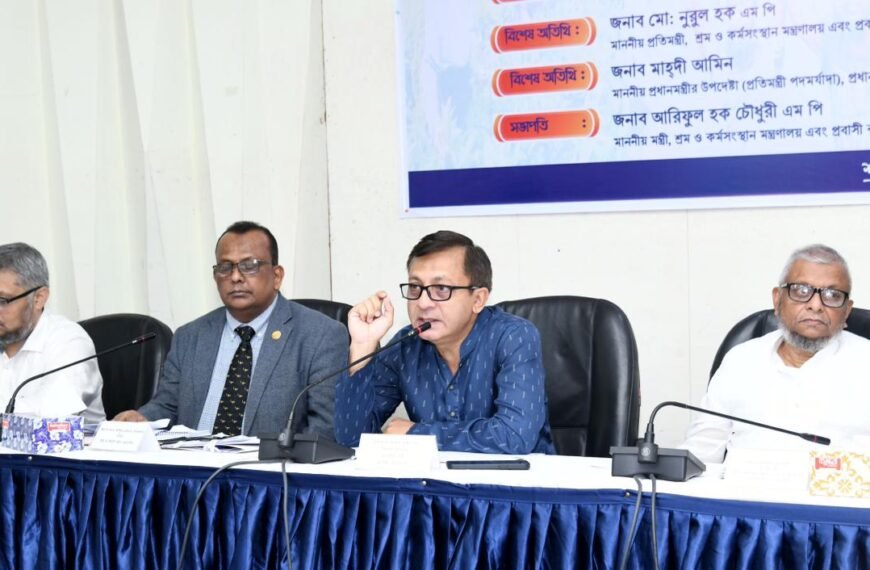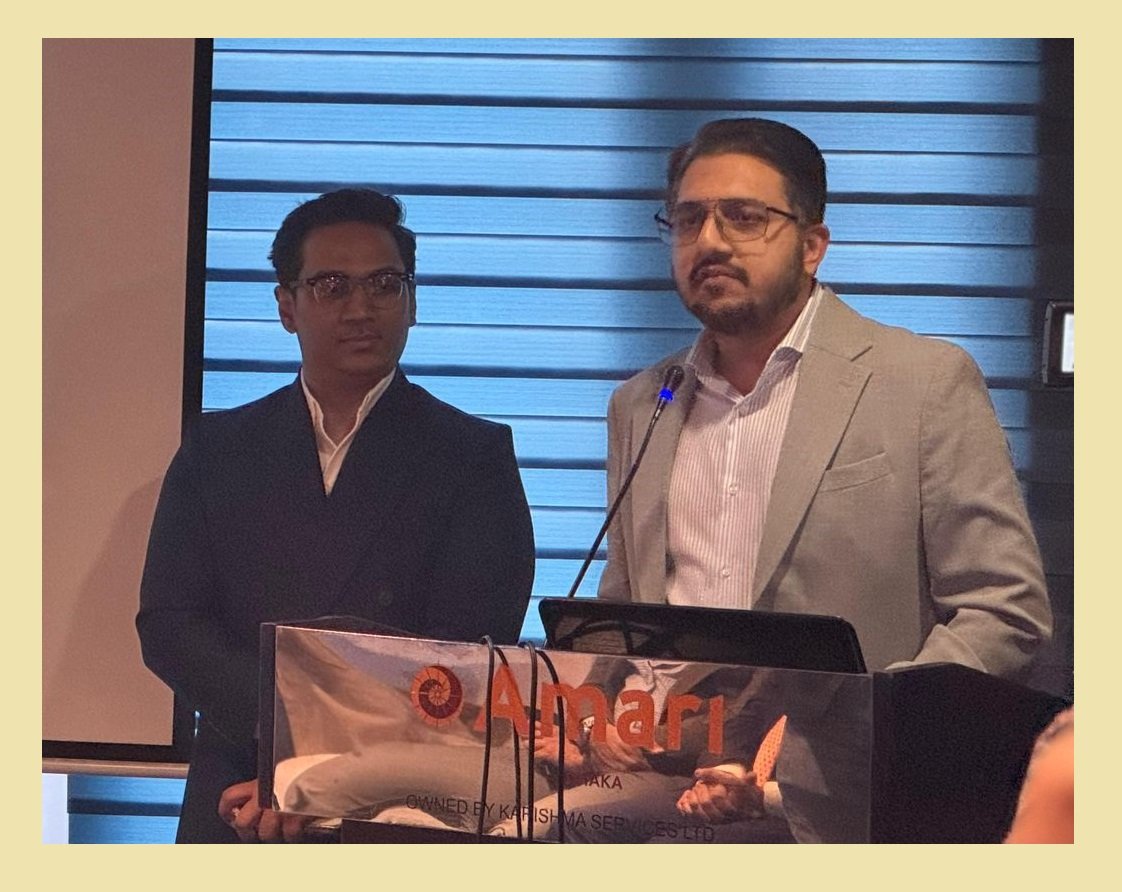
An important panel discussion was held on the future direction of Bangladesh’s education system in the age of Artificial Intelligence at the initiative of the Youth Council of Bangladesh. The discussion, organized at the Amari Hotel, Gulshan, Dhaka in the capital on Sunday (December 21, 2025), was titled “Education of Bangladesh: in the Age of Artificial Intelligence”.

Youth Council of Bangladesh President Kazi Fuad presided over the event, and the organization’s Secretary General Shahadat Bin Zaman delivered the welcome address.

He said, “Artificial Intelligence is not just a technology, it is redefining our education system, employment structure and the concept of leadership. Today’s discussion is an important step in preparing the youth for the future.”
The panel discussion discussed the impact of artificial intelligence on the country’s education system, teacher training, employable skills, digital inequality and preparing the youth to shape future leadership.
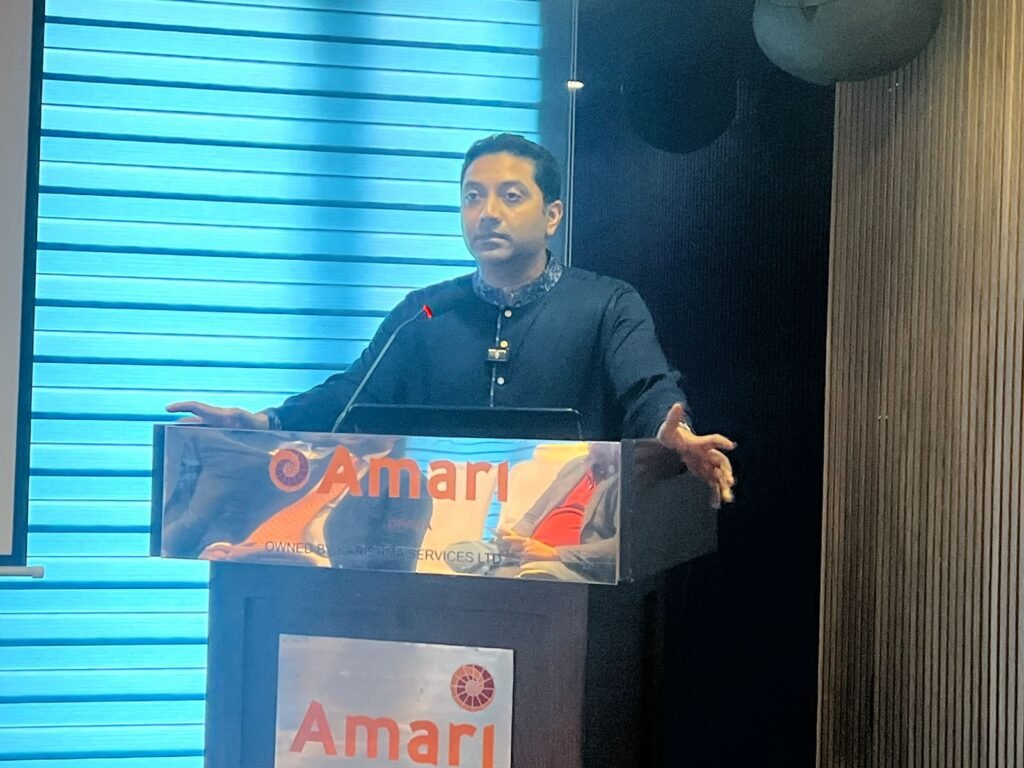
Speaking at the panel discussion, Nationalist Democratic Movement (NDM) Chairman Bobby Hajjaj said, “Bangladesh’s greatest asset is our human resources. But even after 54 years of independence, we have not been able to create skilled and value-added human resources. We are still mainly exporting low-skilled labor, which is limiting our opportunities in the international labor market.”
He said the country’s education system has stagnated due to centralization. “It is not realistic to control everything from the center in a country of 200 million with thousands of educational institutions. Without structural reforms, the development of the education system through AI is not possible.”
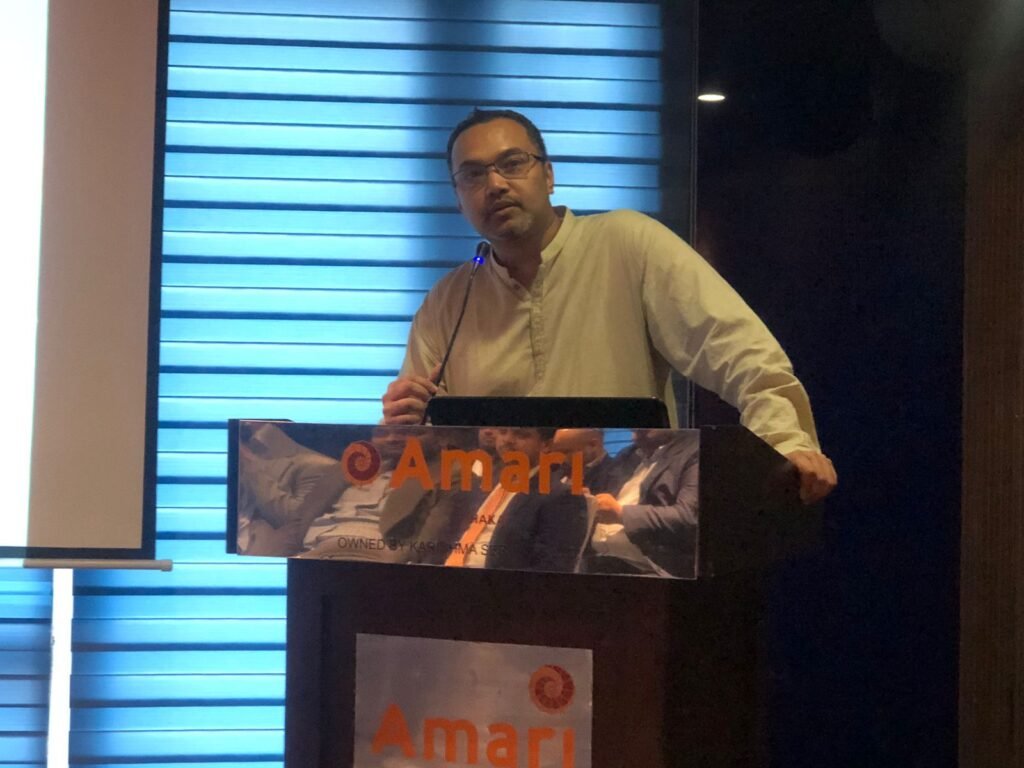
BNP Advisor and Acting Chairman Dr. Mahdi Amin said, “There are huge employment opportunities in countries like Japan, South Korea and China. But the biggest obstacle for our youth to go there is not lack of desire—it is lack of language skills and job-oriented training.”
He said, BNP believes that teachers are the main strength of education. “This is why we want to work on the ‘One Teacher, One Tablet’ policy, so that teachers can learn regularly and provide better quality education to students. Technology is not a substitute for teachers—it empowers teachers.”
Shahir Chowdhury, CEO of Shikho, said that the education crisis in Bangladesh is mainly a result of limitations in scope and resources. “Bangladesh has 42 million students, 680,000 teachers, and over 135,000 educational institutions, which is larger than the total population of many developed countries. However, government spending on education is only 1.6-1.7 percent of GDP, so it is not possible to meet this demand through conventional methods.”
Shafqat Rabbi said, “AI will not replace our jobs, if we can train more about AI, then AI will create more jobs for us.”
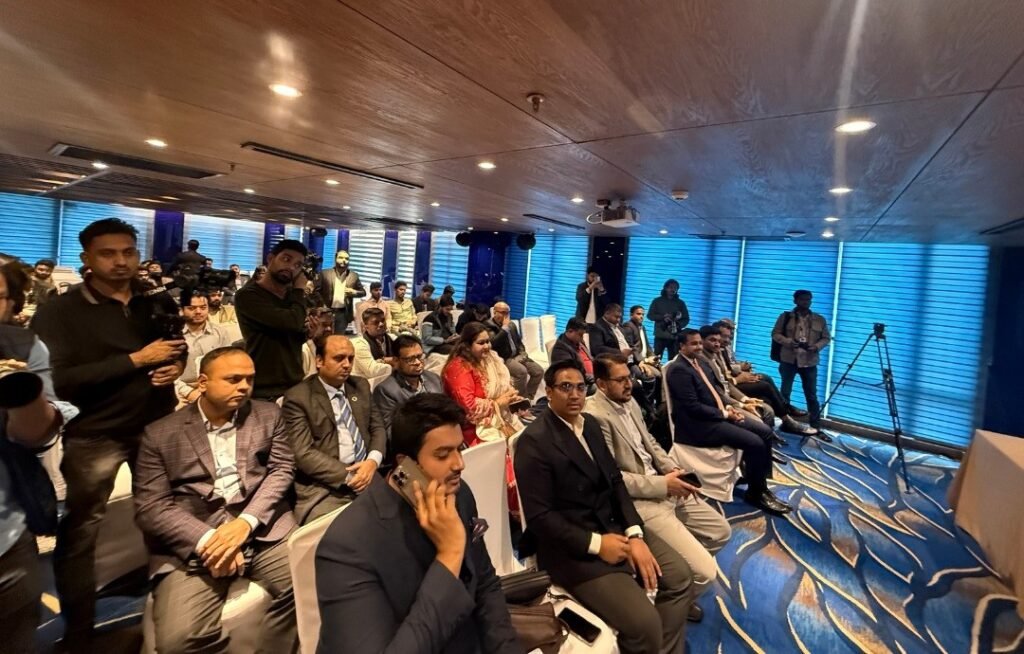
Speakers at the event said that artificial intelligence is not just a technology, it is changing the way we learn, work, and lead. Today’s discussion is an important step in preparing the youth for the future. Although there are huge employment opportunities in countries like Japan, South Korea and China, it is not possible to fill them due to the lack of language skills and job-related training.
The discussants said that we need to focus on teacher empowerment. This is why we want to work on the ‘One Teacher, One Tablet’ policy—so that teachers can learn regularly and provide better quality education. Technology is not a substitute for teachers—it empowers teachers.
The panel discussion discussed in detail the role of education policy reform, digital inequality, employable skills and artificial intelligence in shaping the future leadership of young people.
The Youth Council of Bangladesh believes that through such discussions, it is possible to make Bangladesh’s education system more modern, inclusive and sustainable.